
Scratching above the ceiling, fresh droppings near stored food, or a sour odor from a wall means the problem has moved beyond the yard. Rat removal must deal with the animals already inside and the route they use to return. I trace that evidence through the attic, roof edge, utility openings, garage, and exterior before I recommend control work.
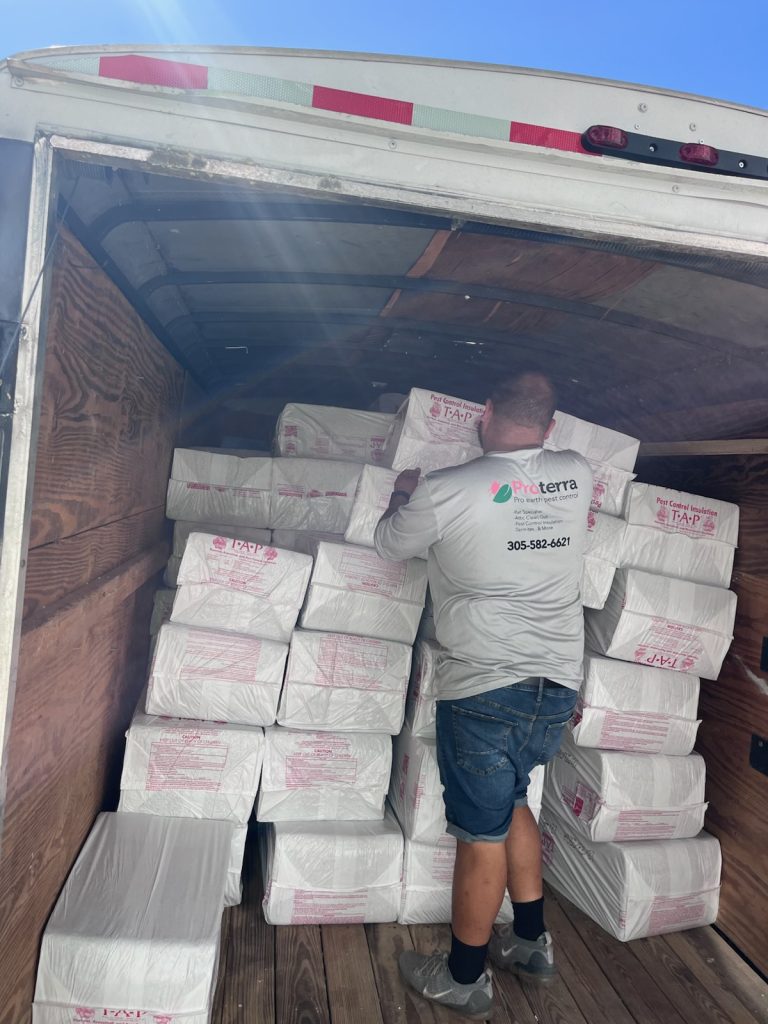
I am Lawrence Butch Gagnon, owner of Proterra Pest Control. Rat control starts with confirming that the animal is a rat and learning how it moves through the property. Roof rats, or Rattus rattus, favor elevated nesting areas such as attics, wall voids, cabinets, and false ceilings. Norway rats, or Rattus norvegicus, spend more time near foundations, garages, ground floors, and burrows.
That difference changes the work. A complete control service may involve trapping, carefully selected bait placement, entry point correction, monitoring, and sanitation guidance. The inspection also checks conditions that keep pressure high, including pet food, fallen fruit, open garbage, dense vegetation, water sources, and cluttered storage. Warm weather, heavy rain, mature landscaping, tiled roof edges, soffit gaps, and utility penetrations can keep rat activity moving through a property in every season. The goal is to remove current animals and interrupt the system supporting them.
A trap placed near one dropping may catch one rat, but it says little about the nest or access route. I read rub marks, gnawing, droppings, insulation trails, and sounds together. That evidence shows where rats travel, which level they occupy, and where control work should begin in your home.
Removing active rats without correcting access leaves the building open to the next group. Sealing too early can trap animals inside a wall or attic. I plan population reduction and closure as connected parts of one job, with the timing based on confirmed activity rather than a visit schedule alone.
Roof rats climb through trees, utility routes, roof edges, and upper openings. Norway rats favor ground-level shelter, foundation areas, and burrows. I first use the evidence to separate those patterns before choosing placement, access checks, and prevention steps. Treating every rat problem alike wastes time.
Scratching after dark often points to roof rats using attic insulation, rafters, or ceiling voids as protected travel space. The sound may shift as they move between nesting and feeding areas. I inspect elevated runways, stored materials, vents, soffits, and roof junctions before deciding where removal devices belong for control.
Movement inside a wall can begin at an opening far from the room where you hear it. Rats follow plumbing lines, cable penetrations, chases, and framing cavities through a building. I trace connected evidence from the exterior inward, then identify accessible points for control and openings that need correction afterward.
Droppings near food, greasy rub marks, shredded material, and a persistent sour smell indicate more than occasional outdoor activity. These signs can mark feeding routes or nesting space. I identify the active zone first. Cleanup should follow safe handling guidance, and contaminated material may require separate removal after control work.
Fruit trees, palms, vines, fences, and overhead lines can give roof rats a direct path above ground. Fallen fruit and outdoor pet food add dependable feeding stops. I check where landscaping touches the structure and where rats can leave that route for eaves, vents, fascia gaps, or adjoining roof sections.
Poison can reduce rats, but indoor bait alone does not show where they entered or where they will die. A poisoned rat may reach an inaccessible wall or ceiling void, leaving odor and insects behind. The open route remains available.
Roof rats also avoid unfamiliar objects and may ignore poorly placed bait or traps for days. Placement has to follow established runways, and any bait must be used according to its label, with children, pets, and other animals considered. For rats already inside, I first determine the travel pattern and the safest removal approach. Exterior bait stations may support a broader plan when conditions warrant them. They do not replace inspection, exclusion, or sanitation.
I start where the evidence is strongest, then work outward. Fresh droppings, rub marks, gnawed packaging, damaged insulation, sounds, and odors help establish movement. I inspect likely nesting space, feeding areas, roof access, doors, vents, and utility penetrations.
Rats tend to reuse paths along walls, rafters, pipes, shelving, and edges. I choose device locations from those routes and consider access by children and pets before anything is placed. The number and type of control devices depend on the activity, species, layout, and how cautious the rats have become.
Closure begins after the indoor activity and escape risks are understood. I identify gaps at soffits, vents, roof junctions, doors, pipes, cables, and screens that connect with the route. Each opening needs a repair suited to its size and surface because rats can chew through foam, plastic, caulk, and wood.
The final check looks for fresh evidence, disturbed devices, new sounds, and any route that was missed. I also explain which conditions keep drawing rats toward the structure. Securing pet food, collecting fallen fruit, tightening garbage lids, reducing clutter, and cutting back roof access help the work hold over time.
I have spent more than 24 years reading pest evidence inside real buildings, and Proterra has completed more than 16,500 jobs. Those numbers matter because rat work often starts with uncertain clues. A noise may come from a rat, squirrel, bat, or loose building material. I do not sell a rat treatment until the evidence supports it.
You will know what I found, which signs are current, where the likely route runs, and why each part of the recommendation belongs. If a repair falls outside the pest work, I will say so. Clear limits are part of an honest diagnosis.
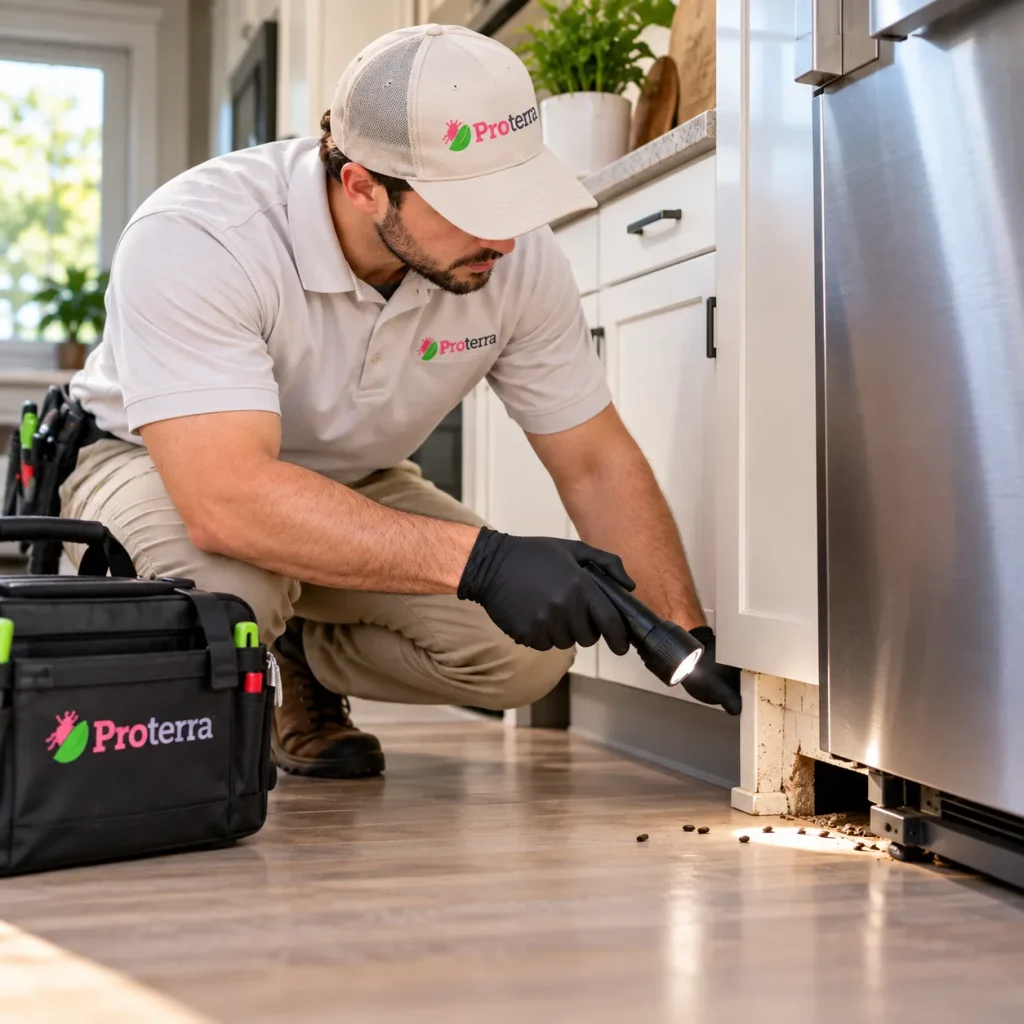
Professional service includes inspection, species identification, population reduction, entry point correction, monitoring, and sanitation guidance. The exact plan follows the evidence found at the property.
Professional rat control pricing depends on infestation size, access difficulty, trapping needs, entry point repairs, cleanup, and follow-up. An inspection is needed before accurate pricing.
Professional control may take several days or a few weeks. The timeline depends on population size, trap avoidance, hidden routes, access points, and required repairs.
Home traps may catch individual rats, but repeat activity points to hidden nesting or open access. Professional inspection helps locate runways, choose placement, and prevent reentry.
Roof rats return when food, shelter, and climbing routes remain available. Fruit trees, vines, roof gaps, damaged vents, and utility openings can reconnect them with attics.
Fresh droppings, nighttime scratching, chewed packaging, or a dead animal odor deserve a direct inspection. Tell us where the activity started and when you notice it most. I will trace the evidence and explain the right next step. Schedule your rat inspection with Proterra Pest Control.