
Mice move fast. They chew through wiring, contaminate food and breed faster than most people expect. By the time you spot one mouse inside your home, there are almost always more hiding inside the walls. I have spent over 24 years eliminating mouse infestations from homes and businesses, and I know what it takes to end the problem completely. Not just trap a few mice. End it.
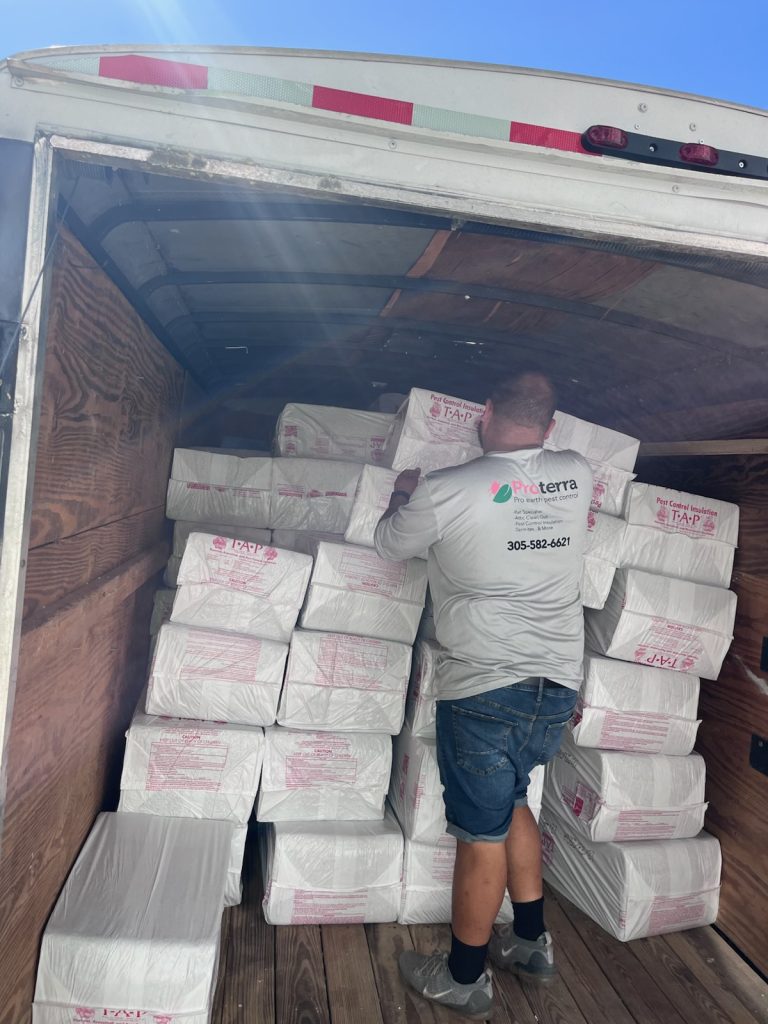
When you call me, you get a real answer. I inspect your property personally and tell you exactly what you are dealing with: how mice are getting in, where they are nesting and what it will take to remove them and keep them out.
I do not sell you a recurring spray plan when a single treatment will work. That kind of honest approach has kept my clients coming back for over two decades. My entire business is built on solving the problem the right way the first time.
I started Proterra to fill a gap I saw every day in the pest control industry: homeowners paying for treatments that never addressed the root cause. After completing more than 16,500 rodent control jobs, I have seen every mouse situation that can be thrown at a property. Mice here do not slow down in winter. The warm subtropical climate means Mus musculus, the house mouse, stays active throughout the year, and populations grow fast if the infestation is not handled correctly. I built ProTerra on treatment grounded in pest biology and honest service because that is the only approach that holds up over time.
Every mouse infestation is different. My services are designed to address the full scope of the problem rather than one piece of it.
Knowing what you are dealing with is the first step toward ending it. I inspect the full interior: attics, crawl spaces, behind appliances and inside wall cavities. I identify activity signs, entry points and species to confirm it is house mice and not a rat infestation requiring a different approach.
Once I know the full size of the infestation, I set strategic snap traps along active runways near nesting zones and inside wall voids where mice travel. This targeted approach removes the active population quickly without exposing your family or pets to unnecessary chemicals before exclusion work begins. Speed matters.
Trapping alone never solves a mouse problem permanently. Mice squeeze through gaps as small as a dime. I seal every entry point using materials mice cannot chew through: steel wool, hardware cloth and concrete patch. Without exclusion, a treated home can be reinfested within weeks. I do not allow that.
When exterior pressure is high, I install tamper-resistant rodent bait stations around the perimeter of the property. These stations intercept mice before they reach your structure. They are secured, locked and positioned where mice travel. I monitor and service them on a schedule matched to your property's activity level.
Most pest control companies treat mice the same way they treat every other pest: spray, trap and schedule a follow-up. That approach generates revenue. It does not generate results. What I do is different.
I study the biology of Mus musculus and use that knowledge to predict where mice are nesting, where they are traveling and what it will take to stop them from getting back in. I close the gaps that most companies miss because I inspect longer, look harder and think about what the mouse is doing rather than running through a checklist.
I do not consider a job finished until the entry points are sealed and the evidence of activity is gone. That standard is why clients call me and not the national chains when they have a real infestation and need it solved.
House mice chew constantly. It is a biological need driven by their continuously growing incisors. Gnawed wiring inside walls is one of the leading causes of house fires from rodents. I remove the mice, seal their entry points and recommend an electrician inspection when I find signs of wire damage.
Mice contaminate far more food than they eat because of the droppings and urine they deposit along every single travel path. Kitchen cabinets, pantry shelves and appliances behind the refrigerator become active runways. I locate nesting sites, remove all activity and treat the space so your kitchen is safe again.
Scratching sounds at night are a common sign of mice inside wall voids or ceiling spaces. Most homeowners wait too long to call because they are not certain what they are hearing. By the time you notice the noise, the population is already established. I locate and clear it out.
Retail traps catch some mice but never stop an infestation because they do not address how mice are entering the building. I see this situation constantly. Homeowners trap for months without sealing the gaps mice use to return. Exclusion is what makes a solution permanent.
Every mouse infestation is different. My services are designed to address the full scope of the problem rather than one piece of it.
I walk the full property, both interior and exterior, looking for entry points, active runways, droppings, nesting signs and structural gaps.
I deploy snap traps in the locations mice are actively using. I return to collect and reset until the active population is eliminated. This phase moves fast when done correctly.
I seal every gap, crack and opening I found during the inspection. I use materials that hold up: no caulk that mice can push through and no mesh they can chew. Permanent sealing is the foundation of lasting control.
I remove droppings, nesting material and contaminated insulation as needed. I also walk you through the conditions on your property that made it attractive to mice so you can address them going forward.
If you are hearing scratching in the walls, finding droppings in the kitchen or seeing a mouse in your home, do not wait. Mice breed fast, and infestations grow quickly. I offer free inspections and honest recommendations. Call me or fill out the contact form, and I will get back to you the same day.
Mouse extermination typically ranges from $150 to $600 for a single treatment, depending on infestation size, property size and whether exclusion and sealing work is included.
Common signs include droppings near food storage, gnaw marks on cabinets or wiring, scratching sounds inside walls at night and nests made from shredded materials in hidden corners.
Active population removal through trapping typically takes 1 to 2 weeks. Exclusion work to seal entry points can be completed in one visit depending on the number of gaps found.
Mice return if entry points are not sealed after treatment. Proper exclusion, which means sealing gaps, cracks and openings around pipes and the foundation, prevents reinfestation after mice are removed.
Mice spread diseases including hantavirus, salmonella and leptospirosis through their droppings, urine and nesting materials. They also contaminate food surfaces and trigger asthma and allergy symptoms in some individuals.