
The ants crossing your counter are foragers, not the whole problem. Killing that line can make the kitchen look clear for a day while queens, brood, and satellite nests remain inside a wall, cabinet void, planter, or damp planting bed. My ant exterminator service identifies the species, follows its movement, and selects colony-focused ant control services for the conditions driving it.
Ants do not all respond to the same bait. Ghost ants feed differently from fire ants, and carpenter ant activity calls for a different inspection than a thin trail around a sink. I choose treatment only after identifying the species. I have spent 24+ years reading those details across 16,500+ pest control jobs. That history matters when two species look alike but react differently to sprays, granules, gels, or bait stations.
You also get a useful explanation. I tell you why the ants are there, what activity may rise at first, and which leaks, branches, mulch lines, or wall gaps need attention. No mystery treatment. You know what the colony is doing and how the plan interrupts it.
I am Lawrence Butch Gagnon, owner of Proterra. Ant extermination starts with identification because the wrong product can hide activity without ending it. A visible trail tells me where workers are feeding, but it does not automatically reveal every nest or queen.
I inspect the route in both directions. Indoors, that may lead behind a dishwasher, through a plumbing opening, under a baseboard, or into a cabinet seam. Outside, the same trail may connect to pavers, palm debris, mulch, a potted plant, a tree touching the structure, or soil kept damp by irrigation.
The treatment plan follows that evidence. I may use a bait matrix that workers share with the colony, a targeted nonrepellent application, an exterior treatment, or a combination. Product choice, placement, and timing change with the species, weather, feeding pattern, and nest position.
I separate species, nesting conditions, and routes into distinct decisions. Four situations here account for many recurring calls, but each needs its own treatment logic.
Ghost ants can place multiple queens in subcolonies inside wall voids, cabinet gaps, potted plants, and damp exterior sites. The workers favor sweets and water, so sinks and counters stay busy. I preserve the trail, test bait acceptance, and target the connected nests instead of chasing visible workers with spray.
Large carpenter ants near a window, roof edge, tub, or dishwasher can point toward a damp cavity or void. A carpenter ant killer applied to passing workers may miss the nest. I inspect after-dark activity, moisture, nearby trees, and possible satellite sites before choosing bait, dust, or targeted treatment.
Fire ants build soil colonies around lawns, pavement edges, utility housings, and planting beds. Disturbing one mound does not address colonies spread across the property. I assess mound density, foraging activity, rain, and dry application windows, then choose targeted mound work, outdoor ant control, or broader bait placement where appropriate.
Paver joints, deck cracks, shaded soil, and watered planting beds give ants shelter close to water. Heavy rain can flood nests and drive activity toward higher, drier spaces. I trace where those exterior routes meet doors, screen frames, stucco gaps, and plumbing lines before treating the source and access path.
A contact spray kills visible workers. The queens keep producing replacements. Repellent products can break a trail before I learn where it leads. With species that maintain several nesting sites, activity may shift behind another cabinet or emerge in a nearby room. It may be the same colony using a different route.
Bait can fail when ant feeding preferences change. A sweet gel may attract workers one week and receive little attention when the colony needs protein or grease. Outdoor bait can spoil fast.
Leave an active trail undisturbed before the inspection when it is safe. Secure open food and keep children and pets away from retail products already placed. Tell me what you used and where. That prevents incompatible treatments from working against one another.
The process is built around what ants carry, where they travel, and how their numbers change. I avoid treating every sighting as an isolated spot.
I start where you see activity and follow both directions. Trail width, time of day, food choice, moisture, winged ants, and entry height help narrow the species and nest position. I also check rooms and exterior edges because the shortest trail is not always the route back to the colony.
I check whether workers accept sugar, protein, grease, or another bait base. That response determines the bait matrix or targeted material. If ants ignore it, I change the placement or formulation because a colony cannot transfer treatment if its foragers refuse to collect and share it readily.
Once the trail makes sense, I address both sides of the route. Indoors, that can mean precise placements near voids without contaminating the bait. Outdoors, I examine nearby vegetation contact, damp mulch, pavers, irrigation, utility lines, and foundation gaps that support nesting or let workers reach food and water inside.
I watch bait feeding, trail density, new emergence points, and the return of winged ants. More workers around bait can be normal because recruitment has increased. Crushing them interrupts transfer. The signal is whether activity falls across connected areas after workers have had time to carry treatment into the colony.
Recurring ants are a diagnostic problem. One clear countertop does not prove every nest is inactive. If a trail moves, I compare its new route with the original food source, wall line, plumbing path, and exterior conditions. Did feeding stop too early? I check whether the bait dried out, became contaminated, or no longer matches the colony’s current food demand.
With multi-queen species, a renewed trail near the same moisture source can identify a surviving satellite nest. Scattered activity after repellent spray sends me elsewhere. I use these changes to refine treatment instead of repeating the same application.
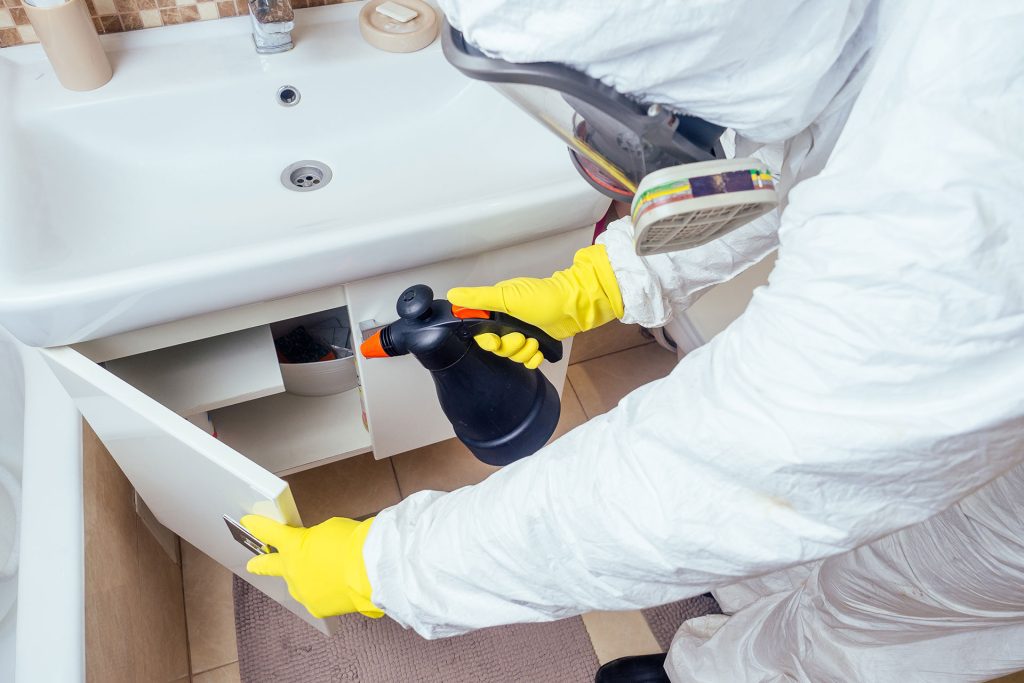
An ant exterminator identifies the species, traces active trails, places an appropriate bait or treatment, addresses nesting conditions, and monitors whether colony activity is falling.
Ant extermination cost depends on the species, nest locations, property size, indoor and outdoor activity, treatment method, and whether more than one visit is needed.
Ants return when treatment kills foragers but misses queens, satellite nests, moisture sources, or exterior routes. Repellent sprays can also redirect surviving trails into another room.
Professional ant control can be performed around homes with pets when products are selected, placed, and applied according to the label and technician instructions for reentry.
Heavy rain saturates soil and floods low nesting sites, pushing ants toward drier shelter. Kitchens, bathrooms, wall voids, and plumbing gaps supply water and protection.
A few ants can reveal the route. Leave the trail visible, note where it begins, and tell me what products were used. I will identify the ant species. Schedule your free ant inspection with ProTerra Pest Control.