Pest Control Services
That Start With the Right Diagnosis
A scratching sound above the ceiling. Ants returning to the same counter. Droppings below a roof vent. These signs seem unrelated. Each points to a hidden cause. Proterra Pest Control finds it before choosing a response. I inspect the evidence, explain what it means, and match the work to the pest instead of treating every problem with the same spray.
Why choose us
Why Proterra Starts With Evidence, Not a Guess
I am Lawrence Butch Gagnon, owner of Proterra Pest Control. Across 24 years and 16,500 completed jobs, I have learned that the first description is not always the final diagnosis. A noise reported as rats may come from another animal. A “palmetto bug” may be one outdoor roach or a breeding population near moisture.
That difference changes the service. I read droppings, trails, gnawing, nesting material, moisture, food, and structural gaps. Then I explain which Proterra service fits, what needs attention now, and what could bring the problem back.
WHAT WE OFFER
Which Proterra Pest Control
Service Matches What You Found?
You do not need to identify the species. Tell me what you saw, heard, smelled, or found damaged. I can then determine whether the property needs insect treatment, trapping, wildlife removal, or exclusion work.
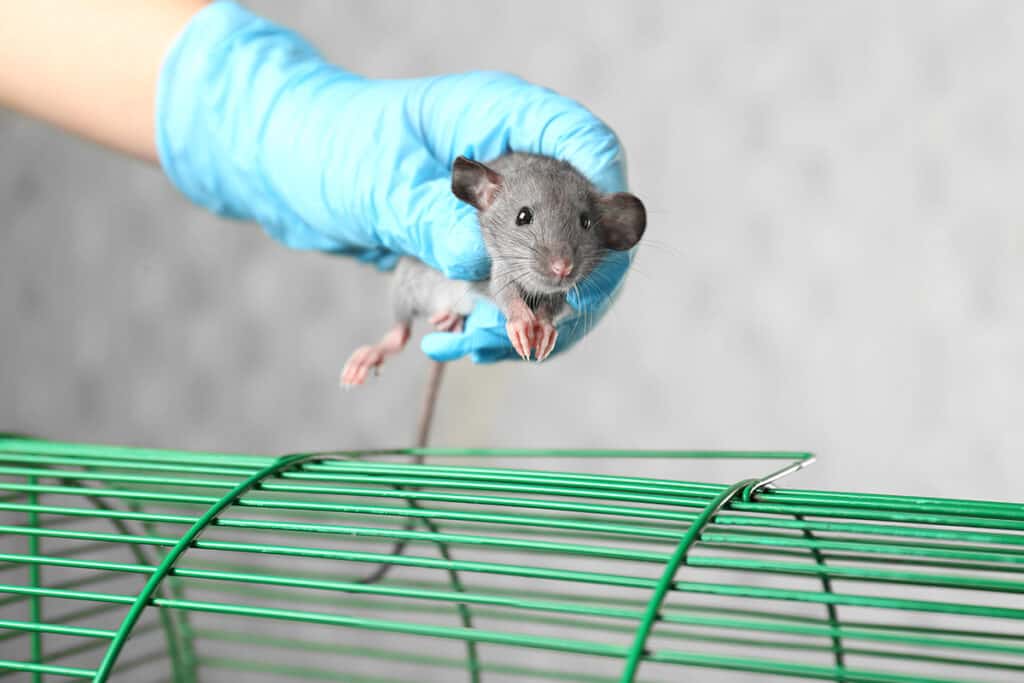
Rodent Control
Rat Removal
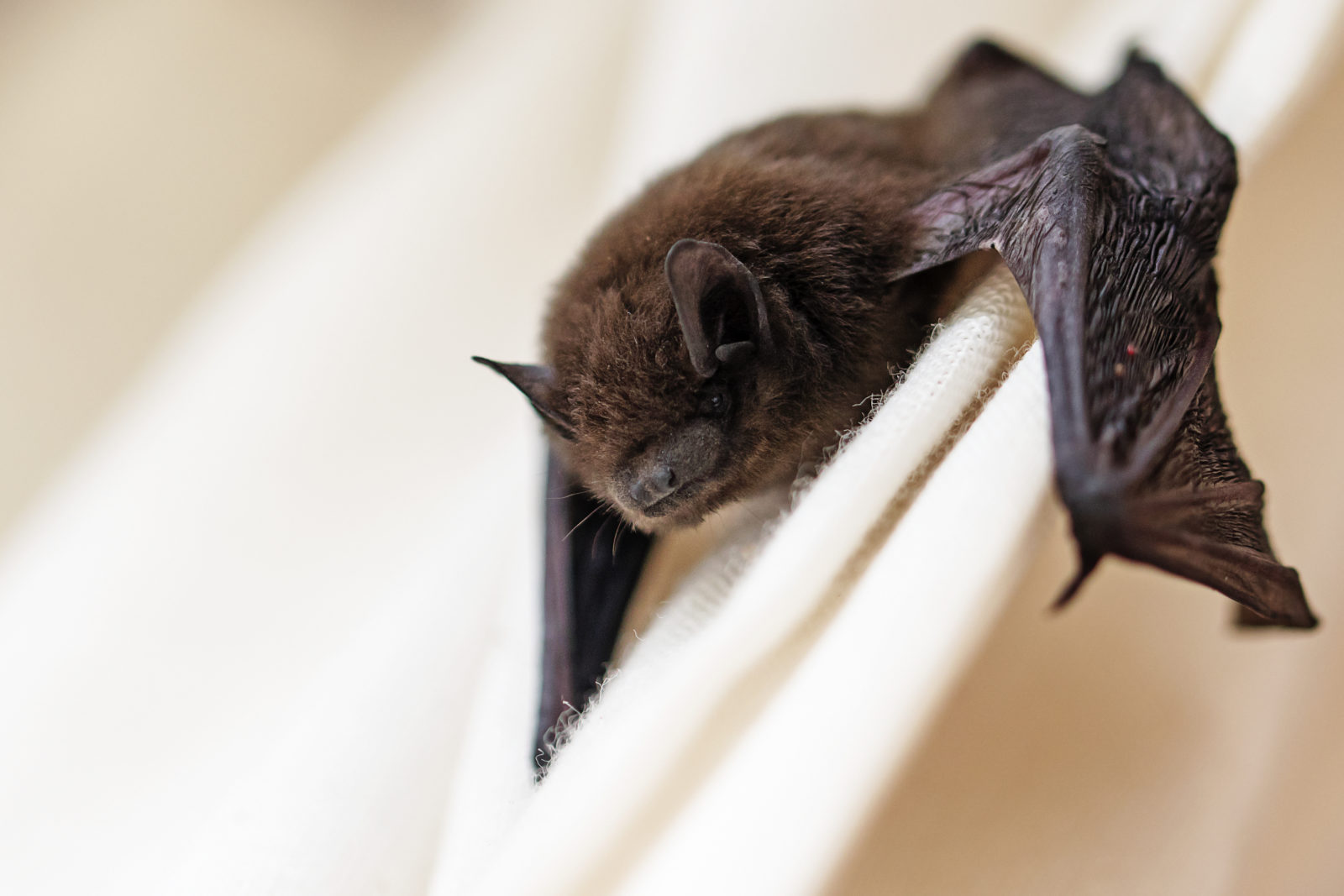
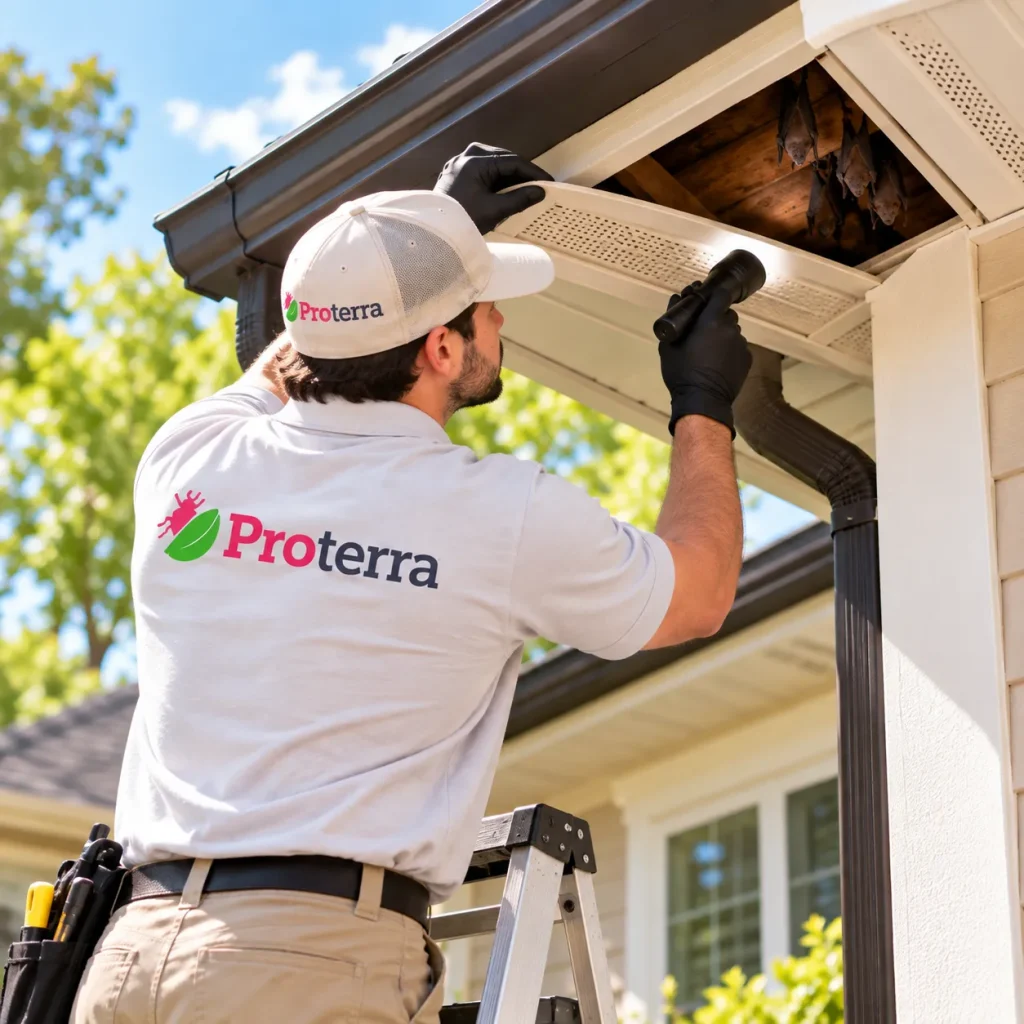
Bat Removal and Control
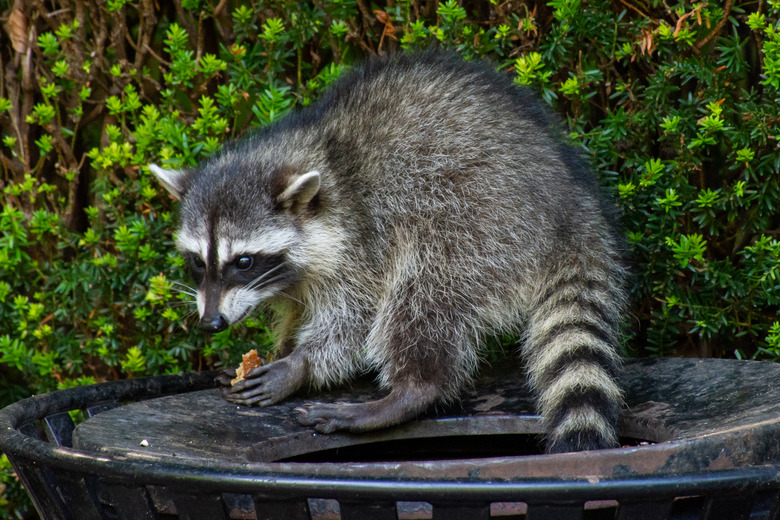
Animal Removal
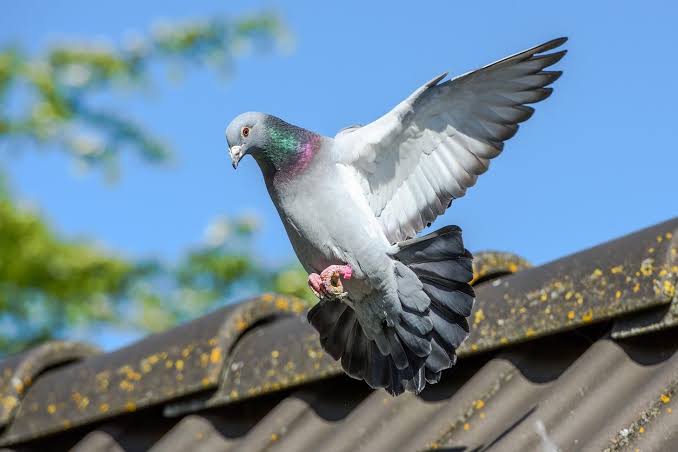
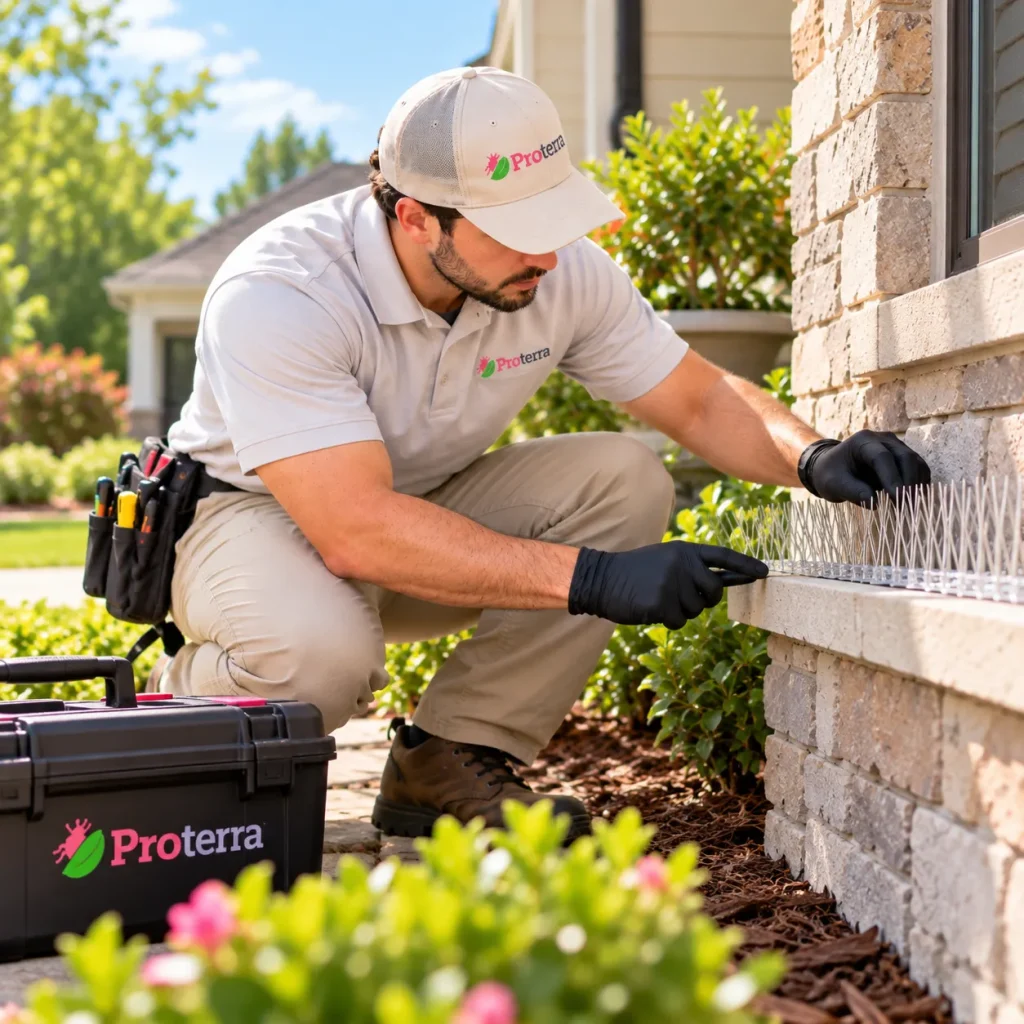
Bird Exclusion
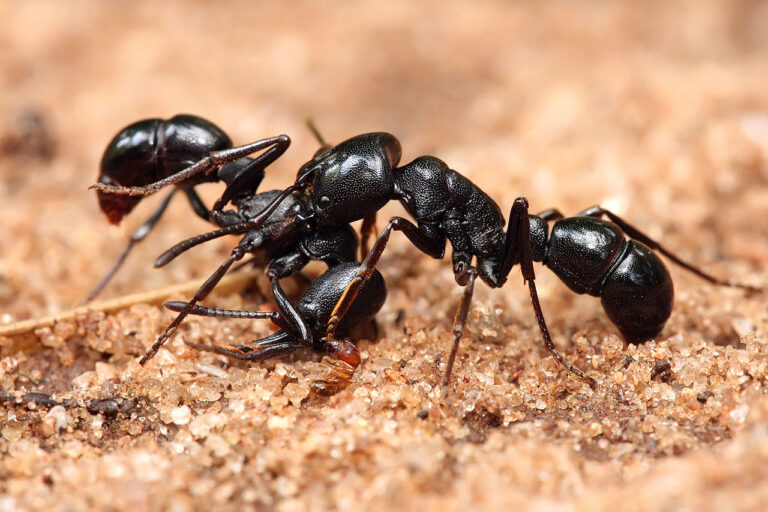
Ant Extermination
Why Store-Bought Products Often Miss the Source
A store-bought spray can kill the insect in front of you. It cannot show whether insects are breeding behind an appliance, traveling through plumbing, or following moisture into a cabinet. One trap may catch one rodent while the roof gap stays open.
That is why I separate removal from prevention. Treatment handles active pressure. Sanitation removes food or water. Exclusion changes access. Monitoring shows whether activity is declining. Not every job needs every method, and more product is not automatically a better answer.
Why Store-Bought
Products Often Miss the Source
You should know what happens before work starts. Wildlife laws, limited access, or heavy activity can change the order, but each stage has a clear purpose.
Read the Evidence
I begin where the activity was seen, heard, or found. I inspect nearby cracks, plumbing penetrations, roofline gaps, attic or crawl space conditions, food and water sources, and likely travel paths. This tells me whether the visible sign is isolated or connected to a larger infestation during the first visit.
Trace the Active Route
Pests leave patterns. Ant trails converge. Rodent droppings cluster near travel lines. Webs gather where prey insects pass. Birds and bats return to repeat landing points. I connect those signs so the work targets an active route instead of every opening that looks suspicious.
Match the Method
The response may involve a bait, trap, residual treatment, insect growth regulator, one-way device, mesh, or structural sealing. I select the method after identification because products and materials behave differently. I also explain preparation, access, and reentry directions that apply to the work.
Check What Changed
Control is measured by evidence, not by how much material was used. Fresh droppings, new trails, feeding on bait, trap activity, web return, or continued entry sounds show whether pressure remains. Those observations guide the next decision and help separate old signs from current movement.
How South Florida Conditions Change Pest Pressure
Warm weather keeps insects active. Heavy rain pushes ants and outdoor roaches toward drier shelter, while roof rats use trees and overhead lines to reach upper openings. Humidity keeps garages, wall voids, and plumbing areas attractive to moisture-dependent pests.
The building matters too. Attached units may share plumbing routes. Houses can have soffit, ridge, vent, or roof return gaps. Commercial spaces add loading doors, stored goods, and floor drains. The inspection must follow the property, not a generic checklist.
Why Can You Trust the Recommendation You Receive From Porterra?
A recommendation should answer four things: what is present, where it is active, what the work covers, and what could interfere with the result. I explain those points before work begins. If the evidence points to another Proterra service, I say so.
You will know what needs preparation and which areas require temporary access limits. Questions about children, pets, odors, treated surfaces, and reentry are answered based on the selected method and its label directions. Sometimes trapping, exclusion, or cleanup must happen before treatment can work.
Frequently Asked Questions
What Services Does a Pest Control Company Provide?
Pest control services can include inspection, species identification, targeted treatment, trapping, exclusion, monitoring, and prevention advice. The correct combination depends on the pest and property conditions.
When Should I Call Pest Control?
Call pest control when activity repeats, droppings or damage appear, store products fail, or the pest occupies an attic, wall void, kitchen, or business area.
How Much Does Pest Control Cost?
Pest control cost depends on the species, infestation size, access, property conditions, treatment method, exclusion needs, and follow-up required after the first inspection visit.
Is Pest Control Safe for Pets and Children?
Safety depends on the product, placement, exposure route, and label directions. Tell the technician about children and pets, then follow all preparation and reentry instructions.
How Often Should Pest Control Be Done?
Service frequency depends on pest pressure, building conditions, treatment results, and prevention goals. An active infestation may need closer monitoring than a stable property plan.