
Scratching above the ceiling at night, droppings in the garage or damaged fruit outside can point to an active rodent problem. My rodent control work starts by identifying what is inside, how it is moving and where it is getting into the structure. I have spent more than 24 years working these problems in South Florida. The goal is simple. Remove the animal and close the route that allowed it in.
Catching a rat or mouse proves an animal is present. It does not explain how it entered. I inspect rooflines, soffits, vents, garage edges and utility penetrations for signs connecting outside access to activity inside.
Roof rats climb. House mice exploit very small openings. Bats return to established roosts. Species, travel pattern and building access determine whether the job calls for trapping, exclusion, sealing or a combination of methods.
Fresh droppings, gnaw marks, rub marks and disturbed insulation help narrow the active area. I use those signs before placing traps or planning exclusion, which keeps the work focused on places the animal is using.
Many calls start with noise. Roof rats are active at night and commonly use attics, roof spaces, palms and trees. UF IFAS identifies roof rats as a major Florida rodent problem and notes that they can damage wiring, rafters, pipes and stored materials. Other homeowners notice fruit damage, droppings or activity around sheds. Local planning documents describe the Princeton Community Urban Center around U.S. 1, SW 248th Street, the C-102 Canal and FPL transmission lines. The area combines residential, industrial and agricultural development.
Those property differences matter. Roof rats can use fences, utility lines, vines and branches to reach buildings. Mice can exploit gaps around doors, pipes and service lines. If traps remove one animal but the access route remains open, activity can return. Removal and exclusion have to work together.
Roof rats favor attics, soffits, roof spaces, palms and fruit trees. I trace nighttime noises, droppings and gnawing back to active travel routes before trapping. Once the rats inside are removed, I address accessible openings around roof edges, vents and utility penetrations so the same route is not left open.
Mice can settle behind cabinets, appliances, stored boxes and wall voids without being seen. I look for small droppings, nesting material and rub marks near food or water sources. Removal is paired with sealing around pipes, doors and service penetrations so indoor activity does not simply start again after trapping.
Bats require a different removal plan. I identify the roost and watch how bats leave the structure before exclusion work begins. Florida rules restrict exclusion during maternity season, so timing matters. When work is legally permitted, one-way devices let bats exit while preventing them from returning to the roost.
Recurring rodent activity often means the building still has an access point. I inspect soffits, fascia, vents, garage edges, plumbing lines, wiring penetrations and damaged screens. After animals are cleared, I close usable openings with materials matched to the gap so removal becomes a longer-term solution for your property.
SW 248th Street is a main corridor through the community. Miami-Dade planning documents also identify South Dixie Highway, the C-102 Canal and FPL transmission lines as defining features around the local urban center. Residential, industrial and agricultural uses sit within the same broader area.
That mix does not mean every property has the same rodent problem. It means the inspection has to account for what surrounds the structure. Mature fruit trees can attract roof rats. Palms, fences and utility lines can provide elevated travel paths. Detached sheds and outdoor storage can create sheltered areas before rodents reach a house. UF IFAS specifically documents roof rats using fruit trees, fences, utility lines and branches to reach buildings.
Development matters too. A newer home may present different openings than an older property surrounded by mature vegetation. One house may have a soffit gap. Another may have activity around a garage seal or air conditioning line. The local setting tells me where to look first. The evidence decides what needs correcting.
I start with droppings, noise location, gnaw marks, nesting material and visible travel routes. These signs help separate rat activity from mice or bats. Correct identification determines the removal method and the order of the work.
I check roof edges, soffits, vents, garage seals, pipe penetrations and accessible attic spaces. Nearby branches, palms, fences and utility paths also get attention when they create a practical route toward the structure.
For rats and mice, traps go where evidence shows active movement. Bat work uses exclusion rather than trapping or poison. Florida wildlife rules control when bat exclusion can be performed, so I confirm timing before that work begins.
After active animals are cleared, I close usable openings. Then I check for fresh droppings, renewed gnawing, trap activity or new noise. A quiet night helps, but physical evidence tells me whether the active route has stopped.
I do not want you paying for work built around a guess. My inspection connects the animal, the activity and the entry route. I show you where I found droppings, gnawing, access gaps or travel signs and explain what they mean. Bat work has another layer of accountability.
Florida Fish and Wildlife Conservation Commission rules limit exclusion during maternity season. Legal exclusion uses one-way devices and must follow required timing. The method has to remove the bats without trapping them inside the structure.
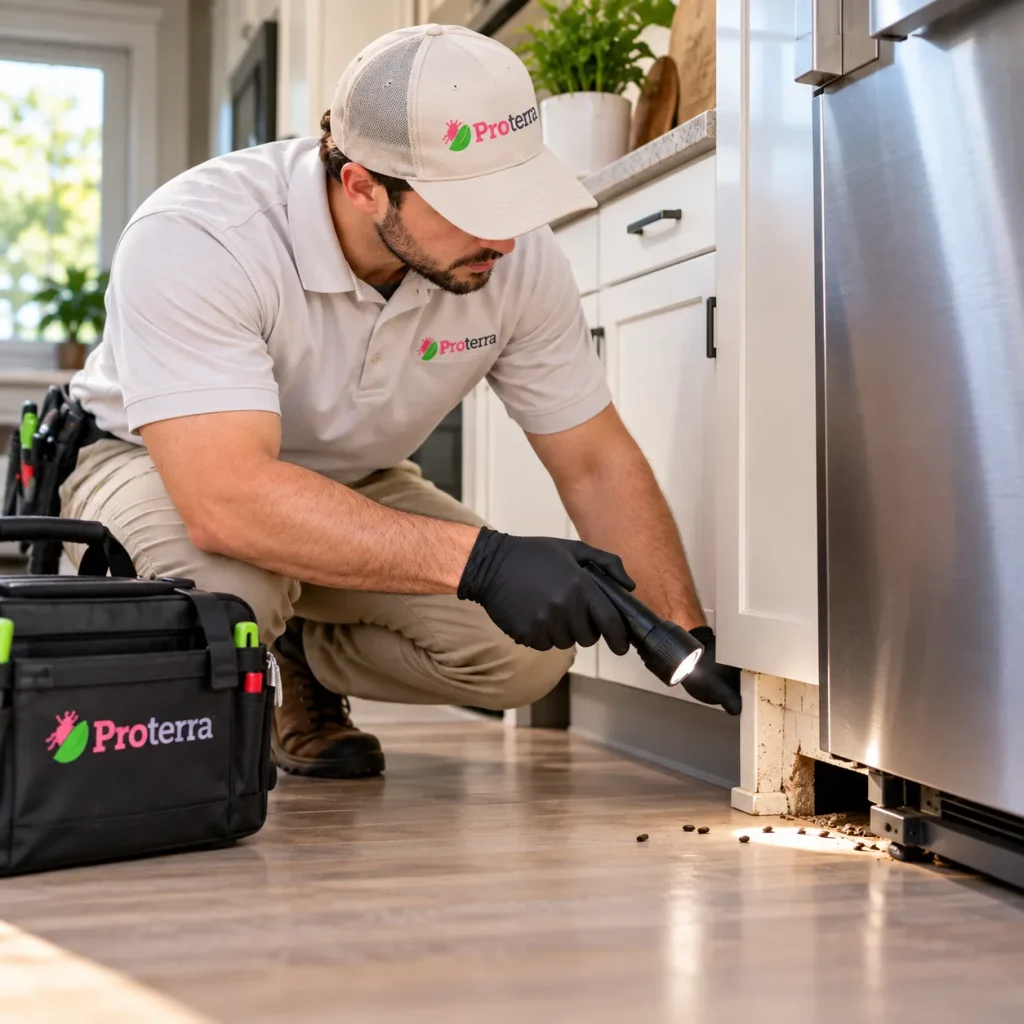
Common signs include droppings, gnaw marks, greasy rub marks, damaged food packaging and scratching after dark. Fresh evidence around attics, garages or cabinets points to active movement.
Roof rats return when food, shelter or access remains available. Fruit trees, palms, fences, utility routes and unsealed roof openings can keep the same property attractive.
Do not seal an active rodent opening until the animals inside have been accounted for. Closing a route too early can trap rodents inside walls or attic spaces.
Timing depends on the species, activity level and number of entry points. Removal can require several visits before trapping, exclusion, and final verification are complete.
Timing and evidence help separate them. Rats make heavier nighttime movement, mice leave smaller droppings, while bats are often noticed leaving roofline openings around dusk.
If you are hearing movement, finding droppings or seeing activity around the attic, garage or roofline, start with an inspection. Tell me what you have noticed and where it is happening. I will follow the evidence until the active access route is identified.