
If you hear scratching above the ceiling after dark or find droppings in a cabinet, the problem is already inside the structure. Proterra provides rodent control in Glenvar Heights, FL through ProTerra for homes dealing with rats, mice, and bats. I look for the animal, the active route, and the opening that made the problem possible. The goal is removal followed by exclusion so the same access point does not stay open.
Rodent problems are rarely solved by catching one animal. A roof rat can move through the attic while another uses the same roof gap a few nights later. House mice can stay hidden behind cabinets and wall voids. Bats require a different approach because they cannot be treated like rodents.
I start with the structure. I check soffits and roof vents. Then I look at utility penetrations, garage edges and attic spaces. Trees and wires can also create a route toward the roof. UF and IFAS guidance notes that roof rats thrive in attics and roof spaces as well as palm trees and ornamental vegetation. They are strong climbers and can damage wiring once inside.
That inspection changes the plan. Rats and mice may need targeted trapping and entry point sealing. Bat work relies on lawful exclusion rather than poison or relocation. You get a plan built around the animal that is present instead of a generic treatment that ignores how it entered.
I am Lawrence Butch Gagnon, owner of Proterra. I have spent more than 24 years working on rodent and wildlife problems across South Florida. That field experience includes more than 16,500 completed jobs.
I have seen what happens when a company treats the visible animal but never finds the access route. Proterra is focused on rodent control. My work centers on rats, mice, and bats in structures.
The inspection comes first because the same noise in a ceiling can point to very different problems. Roof rats often work high in a building. House mice can stay close to food and hidden wall spaces. Bats may be using a ridge gap or soffit area as a roost.
Glenvar Heights is part of the South Florida communities within the Miami-Dade area. I use each local visit to solve the problem at the building level. Find the activity. Remove it. Close the way back in.
Rat, mouse, and bat calls can sound similar when the noise is hidden above a ceiling or behind a wall. The solution is not the same. Each animal uses structures differently. That is why ProTerra separates identification, removal, and exclusion instead of treating every call as one generic rodent problem.
Scratching in the attic and dark droppings often point to roof rat activity. Trapping one rat does not close the building. I trace travel routes and inspect roof or soffit gaps. Then I remove active animals and seal access points with rodent-resistant materials so the repair supports lasting control.
Mice can stay hidden behind cabinets and appliances or inside garage storage and wall voids. Store traps may catch one mouse without finding the source. I inspect active areas and identify likely openings. Then I reduce the indoor population and seal the access routes that keep feeding the problem repeatedly.
Bats in a roof space can create chirping at dusk plus staining and guano near a roost opening. They cannot be handled like rats or mice. I plan bat removal around legal exclusion rules. When permitted, I use one-way exits and seal secondary openings after the colony safely leaves.
A rodent problem keeps returning when the building stays open. Gaps around soffits and vents or pipes and doors can become repeat access routes. I inspect beyond the room where activity appears. Then I map the entry points and pair removal with exclusion so new animals face a closed route.
A clean-looking attic does not prove a rodent problem is gone. Fresh droppings matter. So do new gnawing, disturbed insulation and repeat night noise. My trust standard is simple. The findings have to make sense from entry point to activity area. Bat work has another layer.
Florida law limits when exclusion devices can be installed. The Florida Fish and Wildlife Conservation Commission prohibits bat exclusion during maternity season from April 16 through August 14. I do not close a bat roost in a way that traps flightless young inside. That protects the property and keeps the work within Florida rules.
A good rodent control visit should leave you knowing what was found and what happens next. I use a clear sequence so removal does not get separated from prevention. The order matters because sealing a live animal inside can create a second problem, while leaving an opening untreated invites new activity.
I begin outside and work inward. I check the roof edge and soffits. I inspect vents, utility penetrations and garage doors. I also look at landscaping near the structure plus attic and interior signs. Fresh droppings and rub marks matter. So do gnawing, nesting material and sound patterns.
The animal matters because the control method changes with it. Roof rats climb and favor upper spaces. House mice use smaller openings and hide close to food. Bat activity requires roost evaluation and legal timing. I match the evidence to the species before choosing the next step.
For rats and mice, the goal is to reduce the active population without leaving the source untouched. Trap placement follows travel routes rather than guesswork. Bat removal uses exclusion methods that allow bats to leave without trapping them inside. The method follows the animal and the structure.
Once active animals are cleared, I address the openings that made entry possible. Sealing too early can trap animals inside. Sealing too late allows new activity. I close confirmed access points at the right stage, then recheck for fresh signs so the job ends with evidence, not assumptions.
If the noise keeps coming back, another trap is not enough. Schedule a rodent inspection in Glenvar Heights. I will focus on what is inside and how it is moving. Then I track where it entered. You will have a clearer path from active infestation to removal and structural prevention.
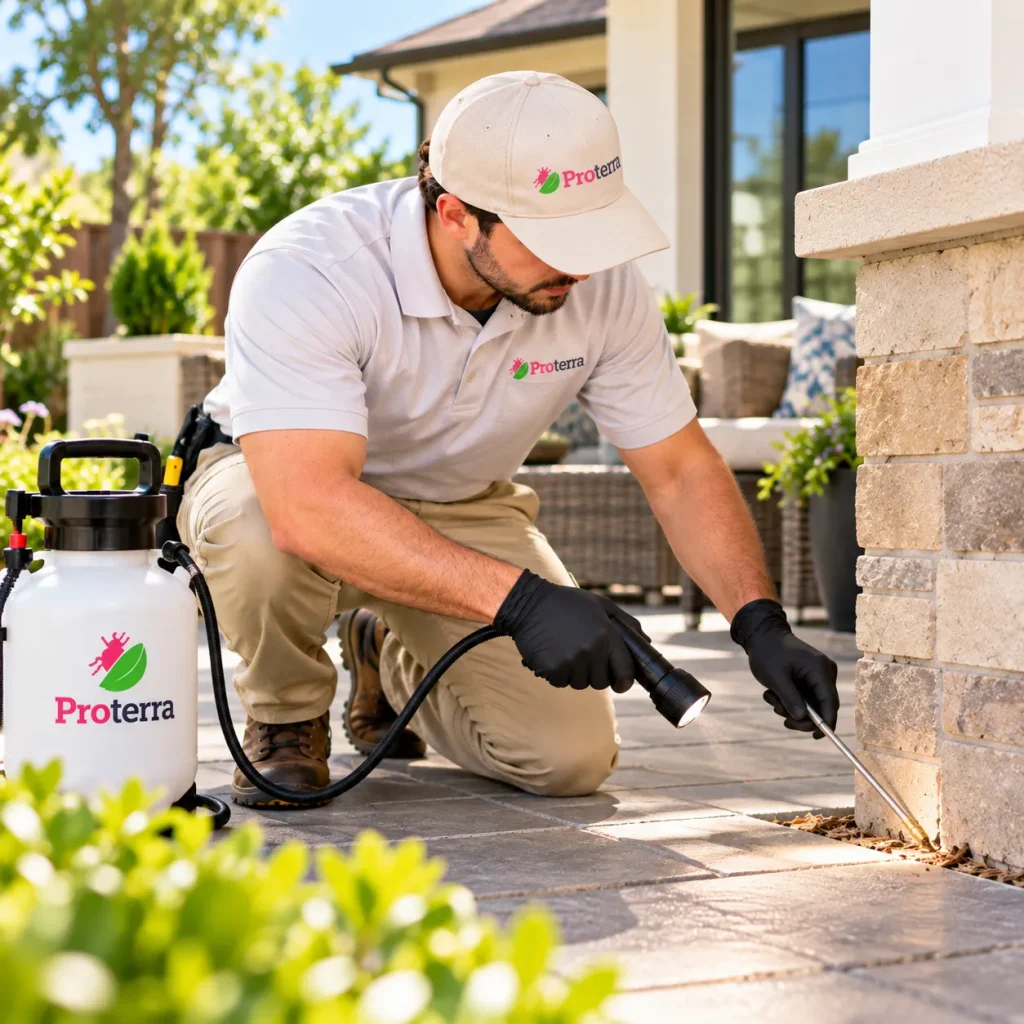
The most effective approach combines inspection, removal, exclusion, and sanitation. Trapping reduces active rats or mice while structural sealing blocks the openings that allow new rodents inside.
Cost depends on infestation size, property access, trapping needs, and how much exclusion work is required. An inspection is the best way to define the actual scope.
DIY traps may catch individual rodents, but recurring activity often means entry points remain open. Professional rodent control combines removal with inspection and structural exclusion.
Rodents can contaminate stored items, damage insulation, and gnaw wiring or building materials. Waiting also gives the population more time to spread through hidden spaces.
Florida bat exclusion is allowed from August 15 through April 15. Exclusion is prohibited during maternity season from April 16 through August 14 without a permit.